Calming Music for Dogs: Does It Really Reduce Anxiety?
Find out if calming music for dogs reduces anxiety. Learn how auditory enrichment works, the best genres to play, and how to integrate it into daily care.

How Calming Music for Dogs Affects Canine Neurology

Many pet owners wonder if playing soothing sounds actually helps their stressed pets. The short answer is yes: calming music for dogs can significantly reduce anxiety, provided the right frequencies and genres are used. Auditory enrichment is no longer just a background noise solution; it is a scientifically backed behavioral tool.
To understand why specific soundscapes work, it is essential to look at canine neurology. Dogs possess a highly developed auditory cortex and can hear frequencies ranging from 67 Hz up to 45,000 Hz or more—far beyond the human range of 20 to 20,000 Hz. Because of this extended hearing range, standard human music often contains high-frequency transients, complex harmonics, or sudden dynamic shifts that a dog might perceive as irritating or overstimulating rather than relaxing.
Effective canine anxiety relief relies on psychoacoustic pet music. This specialized audio is engineered to simplify arrangements, lower tempos, and remove sharp high-frequency sounds. When a dog listens to these optimized soundscapes, the rhythmic patterns can induce a process called auditory entrainment. This biological response helps synchronize the dog’s brainwaves and heart rate to the slower tempo of the music, shifting their autonomic nervous system from sympathetic dominance (fight or flight) to parasympathetic dominance (rest and digest). As a result, cortisol levels drop, and stress reduction in dogs becomes measurable through lowered heart rates and decreased pacing behaviors.
What Types of Music Actually Work for Dogs?

Not all relaxing human music translates to dog relaxation techniques. While a human might find a complex jazz solo or a heavy pop beat soothing, a dog’s auditory processing is entirely different. Research into canine behavioral responses has highlighted that specific genres yield vastly different physiological reactions.
| Music Genre | Tempo and Characteristics | Effect on Canine Behavior |
|---|---|---|
| Classical | Slow tempo, simple instrumentation, predictable structures. | Promotes resting, reduces barking, and lowers overall arousal. |
| Reggae & Soft Rock | Moderate tempo, steady bass lines, consistent rhythmic patterns. | Highly effective for stress reduction; dogs often show a preference for the steady bass frequencies. |
| Psychoacoustic | Specially engineered frequencies, minimal instrumentation, binaural elements. | Actively lowers heart rate and anxiety markers; designed specifically for canine hearing ranges. |
| Heavy Metal & Pop | High tempo, erratic frequencies, sudden volume changes. | Increases arousal, triggers barking, and encourages pacing or restless behavior. |
As the table illustrates, predictability and tempo are the most critical factors. Reggae and soft rock, in particular, have shown remarkable efficacy in shelter environments, often outperforming classical music because their steady bass lines resonate well with a dog's sensitive hearing without causing sensory overload.
How to Integrate Auditory Enrichment into Your Routine
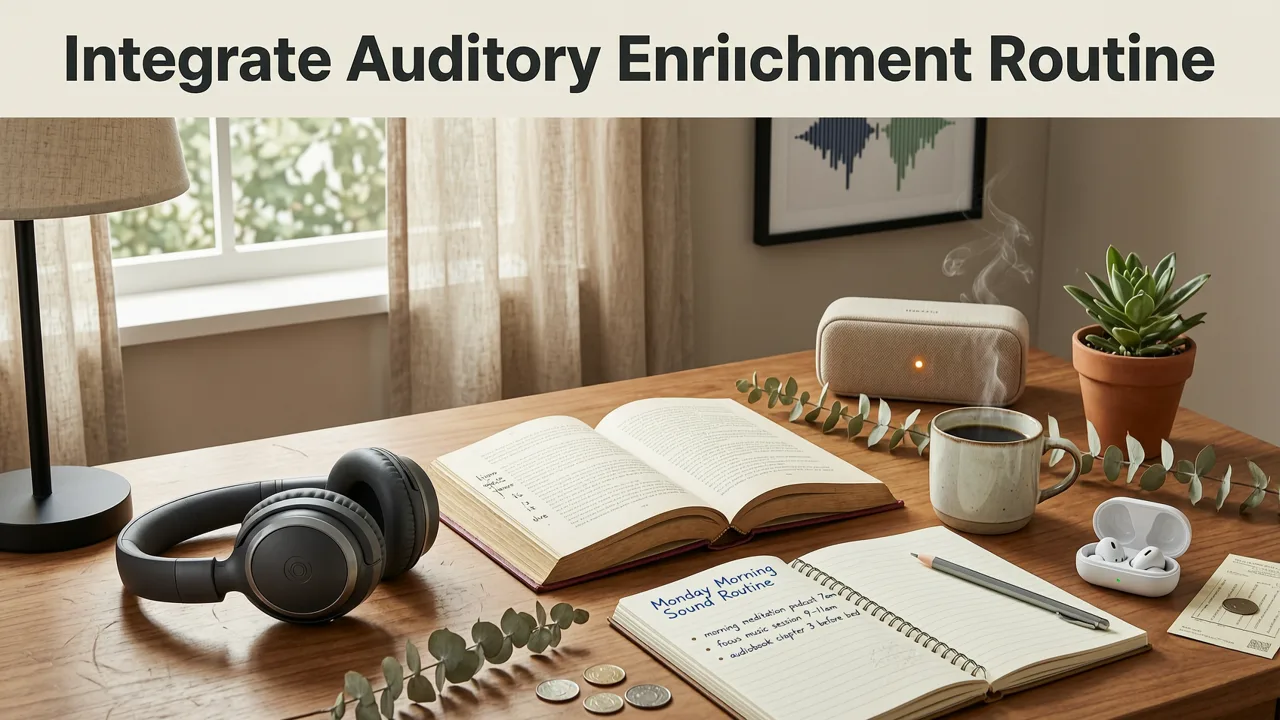
Simply pressing play on a random playlist is not enough to achieve behavioral desensitization. To maximize the benefits of calming music for dogs, you must integrate it strategically into your daily routine.
1. Establish a Baseline and Use Proactive Timing
Do not wait until your dog is already in a state of panic to introduce audio therapy. If your dog suffers from separation anxiety or noise phobias (like thunderstorms or fireworks), play the calming music 20 to 30 minutes before the anticipated stressor. This proactive approach allows the auditory entrainment to take effect before the dog's nervous system becomes overwhelmed.
2. Control the Volume and Environment
Because dogs hear higher frequencies at much lower decibels than humans, a volume that sounds pleasantly quiet to you might be painfully loud to your pet. Keep the volume at a low-to-moderate level. Ensure the speakers are not placed directly next to your dog’s resting area to prevent sound distortion from causing irritation.
3. Prevent Sensory Habituation
One of the most common mistakes is leaving the music on 24/7. Dogs quickly habituate to constant stimuli, meaning the music will eventually become background noise and lose its calming effect. Use auditory enrichment in targeted blocks—such as during your absence, during meal times, or right before bedtime—to maintain its efficacy.
Combining Calming Music with AI-Driven Behavior Training
While auditory enrichment is a powerful standalone tool, it works best when paired with a deep understanding of your dog's unique communication style. Music can soothe the symptoms of anxiety, but addressing the root cause requires accurate behavioral analysis.
In 2026, understanding dog body language meanings is critical for effective pet care. A dog might be listening to calming music but still exhibiting subtle stress signals, such as lip licking, whale eye, or a tucked tail. Recognizing these micro-expressions allows you to adjust the environment or intervene before a full anxiety response occurs.
This is where modern technology bridges the gap between observation and action. Using the best AI dog translator app allows you to decode vocalizations in real time and pair them with environmental context. Advanced AI systems, built on sophisticated machine learning frameworks similar to those detailed in OpenAI documentation, analyze audio patterns to determine if a whine indicates hunger, pain, boredom, or anxiety.
When you combine the insights from AI-driven bark decoding with targeted training sessions, you create a comprehensive behavioral modification plan. For instance, if the AI identifies that your dog's vocalizations peak during specific times of day, you can preemptively schedule a calming music session alongside an enrichment game to redirect their mental energy. Furthermore, responsible pet tech ensures that your pet's audio data is handled ethically, adhering to strict privacy and safety standards like those outlined in Google AI guidance.
Common Mistakes to Avoid When Playing Music for Your Dog
Even with the best intentions, pet owners can inadvertently undermine their dog's relaxation. Avoid these frequent pitfalls:
- Playing the wrong genre: Avoid playlists labeled "relaxing" if they contain human-centric ambient music with high-pitched synths or sudden nature sounds (like crashing waves or bird calls) that might trigger a prey drive or alertness.
- Ignoring body language: If your dog gets up and leaves the room while the music is playing, they are telling you the sound is aversive. Respect their preference and turn it off.
- Using audio as a complete substitute for training: Calming music is a management tool, not a cure. It should be used alongside positive reinforcement and structured training to build long-term resilience against stressors.
- Neglecting physical and mental exercise: Auditory enrichment cannot replace the need for physical movement and mental stimulation. A tired dog is naturally more receptive to relaxation techniques.
Creating a Holistic Canine Wellness Plan
Managing canine anxiety requires a multi-layered approach. Calming music for dogs is a highly effective, accessible, and non-invasive method to lower stress markers and create a peaceful home environment. By selecting the right genres, controlling the volume, and timing the playback strategically, you can significantly improve your pet's mental wellbeing.
However, true peace of mind comes from understanding exactly what your dog is trying to tell you. When you pair auditory therapy with AI-powered behavioral insights, you transform guesswork into actionable, breed-specific care.
Ready to decode your dog's barks, understand their emotional state, and build a customized training plan? Download the Dog Bark Translator to access real-time translation, interactive enrichment games, and built-in calming music features designed specifically for your dog's unique breed and behavioral profile.
Frequently Asked Questions
How long should I play calming music for my dog?
It is best to play calming music in targeted blocks of 1 to 2 hours, such as before you leave the house, during a thunderstorm, or at bedtime. Avoid leaving it on 24/7, as dogs can habituate to the sound, causing it to lose its calming effectiveness over time.
What is the best genre of music for dog anxiety?
Reggae, soft rock, and specially engineered psychoacoustic music are generally the most effective for reducing canine anxiety. These genres feature steady bass lines, predictable structures, and simplified frequencies that align well with a dog's sensitive hearing range.
Can calming music cure my dog's separation anxiety?
Calming music is an excellent management tool that can lower stress markers and create a soothing environment, but it is not a standalone cure. For severe separation anxiety, it should be combined with behavioral desensitization training, mental enrichment, and routine building.
How do I know if the music is actually helping my dog?
Observe your dog's body language and physical responses. Signs that the music is working include relaxed posture, softened eyes, decreased panting, lying down, and a reduction in pacing or barking. If your dog leaves the room or shows signs of stress, the volume may be too high or the genre may be aversive.
Related Articles


Explore more practical dog care and communication guides.
View all articles