How to Train a Dog Without Classes at Home in 2026
Learn how to train a dog without classes using AI-powered tools, real-time emotion detection, and personalized routines to build a stronger bond at home.

Why More Owners Choose to Train a Dog Without Classes
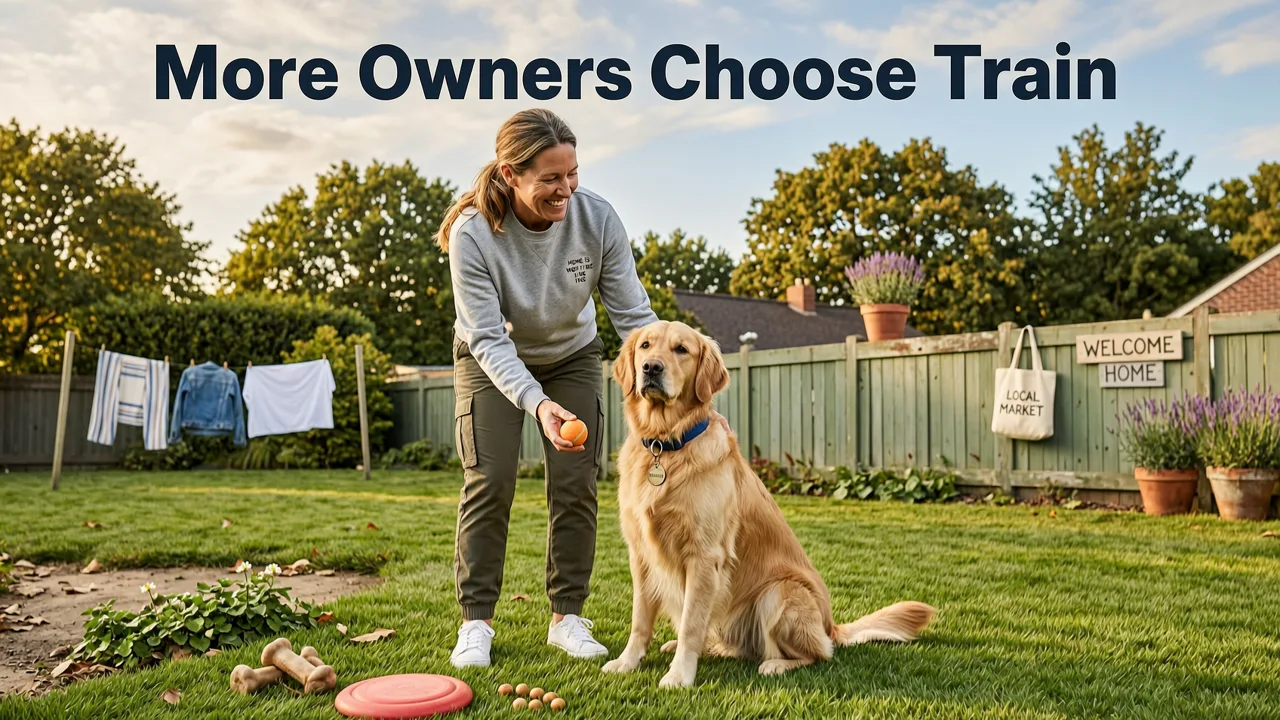
If your dog pulls on the leash, barks persistently at the door, or ignores recall commands, you might feel pressured to enroll in a traditional obedience course. However, you can successfully train a dog without classes by leveraging modern AI technology to understand their exact emotional state and tailor your approach. In 2026, effective dog training no longer requires a one-size-fits-all classroom; it requires real-time behavioral insight and personalized guidance delivered directly to your smartphone.
Traditional group classes are excellent for basic socialization, but they often fail to address the specific behavioral triggers present in your unique home environment. When a dog exhibits stress or confusion in a classroom, the instructor cannot always provide the individualized attention required to resolve the root cause. By choosing to train a dog without classes, you gain the ability to address behavioral challenges in the exact context where they occur, using data-driven insights to foster a deeper, more intuitive bond with your pet.
The Foundation of At-Home Dog Training
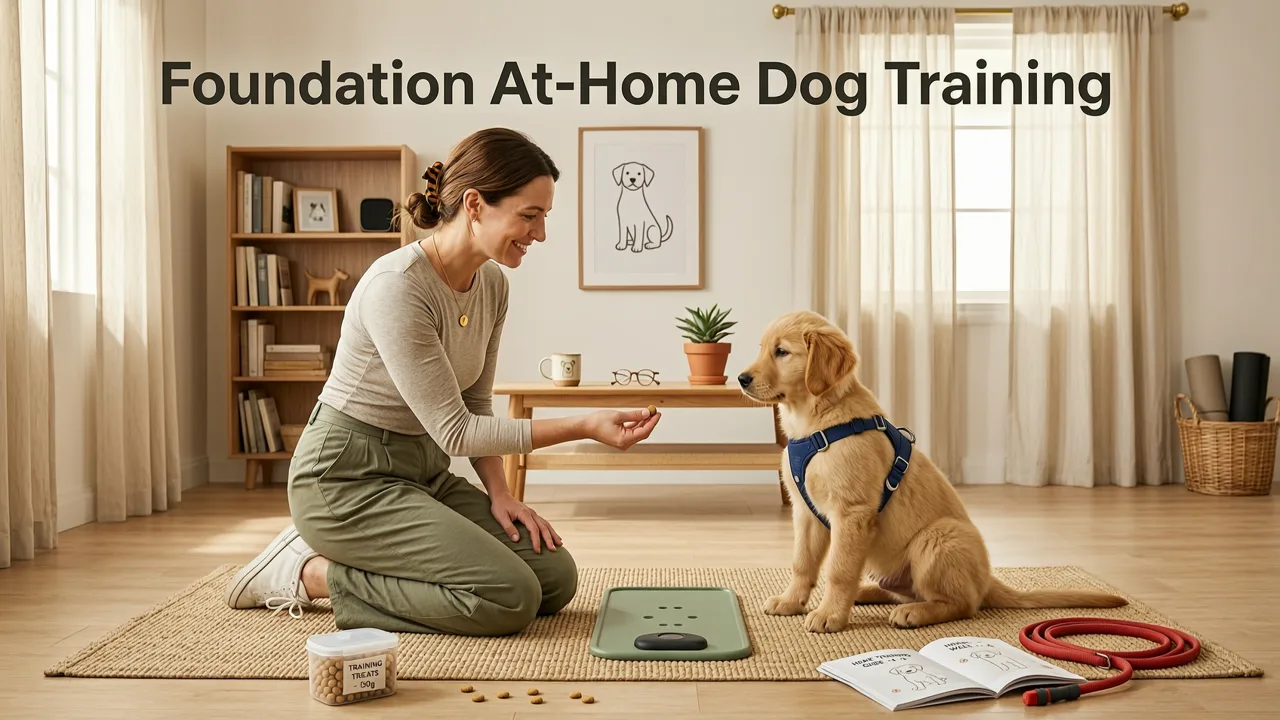
To train a dog without classes, you must first understand how your pet communicates. Dogs do not speak in words; they express themselves through a complex matrix of vocalizations, body language, and environmental reactions. Recognizing these signals is the critical first step in any successful training regimen.
Decoding Canine Communication
If your dog whines at dawn, barks sharply when the mail arrives, or tucks their tail mid-walk—you have likely paused and asked what they are feeling. Modern animal behavior science divides canine communication into three distinct layers. The vocal layer analyzes pitch, duration, and frequency of barks and whines. The visual layer reads posture, gaze direction, and micro-expressions like lip licking or whale eye. The contextual layer considers the timing and environment, recognizing that a bark at the front door means something entirely different than a bark at a squirrel in the park.
Understanding these layers allows you to respond appropriately. When you accurately interpret your dog's emotional state, you can adjust your training cues to match their current capacity to learn. This is where AI-driven tools, such as the What Is My Dog Feeling App, become invaluable by translating complex multimodal signals into actionable insights for the owner.
The Role of Responsible AI in Pet Tech
The shift toward AI-assisted training relies on sophisticated machine learning models capable of processing multimodal data in real time. As these technologies evolve, developers adhere to strict ethical frameworks, such as those outlined in Google's AI responsibility principles, ensuring that the algorithms prioritize animal welfare and provide accurate, unbiased behavioral assessments. This responsible approach guarantees that the guidance you receive is both safe and effective for your specific breed and individual dog.
Step-by-Step Guide to Train a Dog Without Classes

Transitioning from traditional methods to an AI-guided home training routine requires a structured approach. Follow these steps to build a comprehensive training plan tailored to your dog's unique psychological profile.
Step 1: Establish a Behavioral Baseline
Before introducing new commands, you must understand your dog's default emotional state. Spend three to five days observing your dog's reactions to everyday stimuli. Use AI tools to log their emotional responses—such as happiness, anxiety, or hunger—throughout the day. This baseline helps you identify patterns. For instance, you may discover that your dog's inability to focus on the 'stay' command is directly correlated with a spike in environmental anxiety during the late afternoon.
Step 2: Implement Context-Aware Positive Reinforcement
Positive reinforcement is the gold standard of dog training, but its execution must be context-aware. If your dog is highly aroused or anxious, offering a food reward might not be effective because their brain is in a survival state rather than a learning state. By monitoring your dog's real-time emotional state, you can determine the exact right moment to introduce a cue and deliver a reward. When your dog is calm and receptive, their ability to retain new information increases dramatically.
Step 3: Manage Environmental Stressors Proactively
If your dog paces before thunderstorms, trembles during vet visits, or hides when guests arrive, you are not witnessing stubbornness or bad behavior. You are observing unspoken stress signals. Training cannot occur effectively if the dog is in a state of fear. Before attempting obedience drills, you must address the underlying anxiety. Utilizing a calm dog anxiety app with real-time detection allows you to intervene before the stress escalates. Pairing this with the best calming music for anxious dogs helps lower their heart rate and creates a physiological state conducive to learning.
Traditional Obedience Classes vs. AI-Guided Home Training
Choosing the right training method depends on your dog's specific needs and your household dynamics. The following table compares traditional classroom settings with modern AI-guided home training.
| Feature | Traditional Obedience Classes | AI-Guided Home Training |
|---|---|---|
| Customization | Generalized curriculum for the whole class | Personalized sessions based on breed, age, and real-time behavior |
| Environment | Controlled classroom, may not reflect home triggers | Trained in the home environment where behaviors actually occur |
| Real-Time Feedback | Limited to instructor's observation during class hours | Continuous, 24/7 emotional and behavioral tracking via smartphone |
| Stress Management | Manual intervention by the owner or instructor | Automated detection with integrated calming audio and enrichment |
| Cost and Accessibility | High cost, fixed schedule, requires travel | Low cost or free, available on-demand, accessible anywhere |
Leveraging AI for Personalized Training Sessions
The most significant advantage of choosing to train a dog without classes is the ability to utilize the best AI dog training app for personalized lessons. Unlike static video tutorials, advanced AI platforms generate dynamic training modules that adapt to your dog's progress.
These platforms utilize complex neural networks, similar to those documented in OpenAI's platform documentation, to analyze your dog's historical data and current emotional state. If the AI detects that your dog is struggling with a specific recall exercise due to distraction, it will automatically adjust the lesson plan, suggesting lower-distraction environments or breaking the command down into smaller, more manageable shaping steps.
This adaptive learning model ensures that your dog is never pushed beyond their cognitive threshold, preventing frustration and maintaining a positive association with the training process.
Essential Rules When You Train a Dog Without Classes
When removing the physical presence of a professional instructor, you must adhere to strict guidelines to ensure your training remains effective and humane.
Prioritize Emotional Readiness Over Repetition
A common mistake in home training is repeating a command endlessly when the dog fails to comply. If your dog is not responding, they are likely not being stubborn; they are either confused, overstimulated, or emotionally unregulated. Check their emotional state. If they are anxious or overly excited, pause the training session. Use enrichment games or calming techniques to reset their baseline before trying again. Quality of repetition always supersedes quantity.
Maintain Consistency Through Technology
Consistency is the cornerstone of all dog training. Without an instructor to correct your timing or cue delivery, it is easy to develop bad habits. Rely on your AI training app to guide your timing. The app provides precise instructions on when to mark the behavior, when to deliver the reward, and how to phase out the lure. Let the technology act as your objective, real-time coach to ensure your mechanical skills remain sharp.
Keep Sessions Short and Contextual
Dogs have short attention spans, especially when learning novel concepts. Limit formal training sessions to three to five minutes. Integrate training into your daily routine by asking for a 'sit' before meals, or a 'touch' before opening the door for a walk. This contextual training reinforces commands in real-world scenarios, making the behaviors much more reliable than those performed only in a sterile classroom.
Conclusion
Deciding to train a dog without classes is a commitment to understanding your pet on a deeper, more scientific level. By leveraging AI-powered emotion detection, real-time behavioral analysis, and personalized training modules, you can resolve behavioral challenges more effectively than a traditional group setting allows. You transform your home into a customized learning environment where your dog feels understood, supported, and guided.
Ready to decode your dog's barks, whines, and body language while building a stronger bond? Download the Dog Translator app today on iOS or Android to access real-time emotion detection, personalized AI training sessions, and calming enrichment tools designed for over 200 breeds.
Frequently Asked Questions
Is it possible to fully train a dog without attending in-person classes?
Yes, it is entirely possible to train a dog without classes by using AI-powered tools that provide real-time emotion detection and personalized training modules. These tools allow you to address behavioral triggers in the exact home environment where they occur, often resulting in faster and more reliable learning than generalized group classes.
How does AI technology improve at-home dog training?
AI technology improves at-home training by analyzing multimodal signals—such as vocalizations, body language, and environmental context—to determine your dog's exact emotional state. This allows the app to generate customized training sessions that adapt to your dog's stress levels and learning pace, ensuring you train only when they are emotionally receptive.
What should I do if my dog is too anxious to learn new commands?
If your dog is anxious, their brain is in a survival state, making learning impossible. You must first address the anxiety using targeted interventions like adaptive calming music and real-time stress detection. Once their heart rate lowers and they return to a calm baseline, you can safely resume training exercises.
Can AI apps replace professional dog trainers for severe behavioral issues?
While AI apps are highly effective for obedience, enrichment, and managing everyday anxiety, severe behavioral issues like aggression or profound trauma should always be evaluated by a certified professional behaviorist. AI tools serve as an excellent supplementary resource for daily management and foundational training.
Related Articles


Explore more practical dog care and communication guides.
View all articles