Top Petsmart Dog Training Alternatives for 2026
Discover the best Petsmart dog training alternatives for 2026. Compare traditional group classes with AI-powered personalized training and private experts.

Why Dog Owners Are Seeking Petsmart Dog Training Alternatives
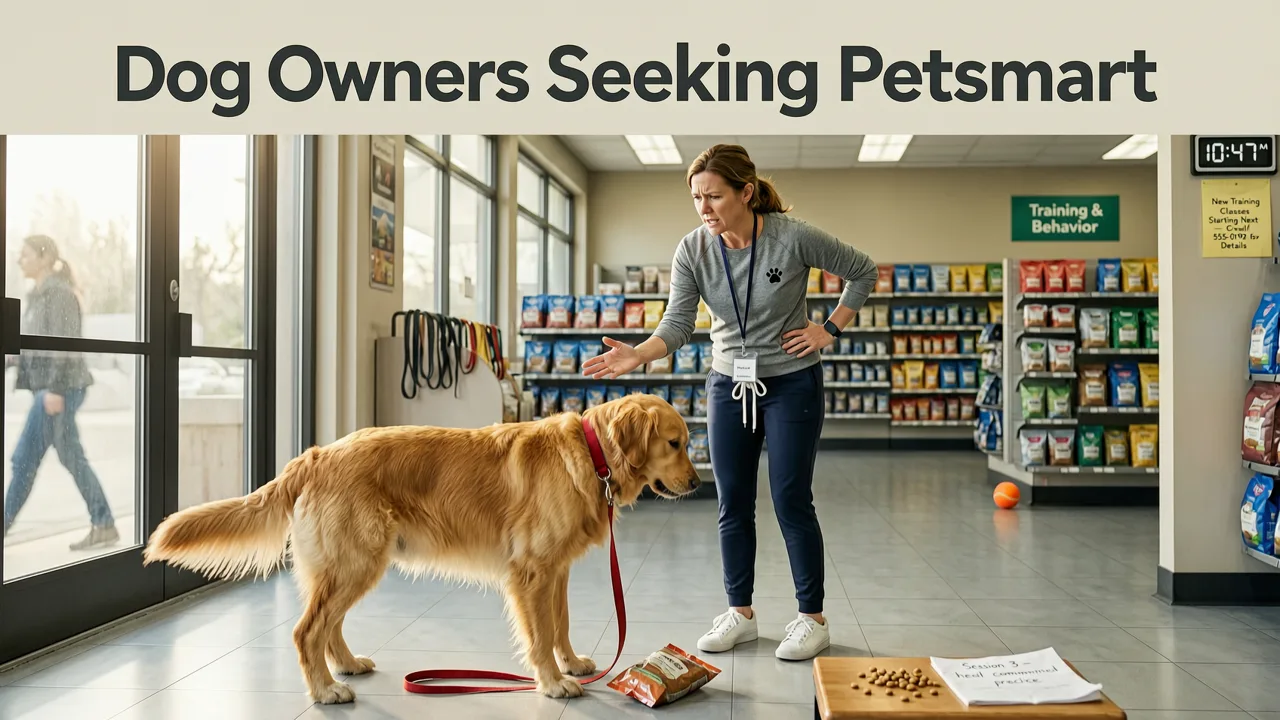
If you are looking for effective Petsmart dog training alternatives, the landscape of canine education has evolved significantly by 2026. While big-box retail classes offer a convenient starting point for basic obedience, many dog owners are transitioning toward AI-powered personalized training, private certified professionals, and specialized behaviorists to address their pet's unique needs.
Traditional retail training programs typically operate on a high-volume model. Group classes often contain ten to fifteen dogs in a single session, which can be overwhelming for reactive, anxious, or easily distracted pets. Furthermore, the curriculum is generally standardized, leaving little room for breed-specific tendencies or individual behavioral quirks. High staff turnover in retail environments can also disrupt the continuity of care, making it difficult to build a long-term training relationship.
As pet technology advances and our understanding of animal psychology deepens, owners are demanding more tailored, responsive, and accessible solutions. The modern dog parent wants to understand exactly what their pet is communicating and receive actionable, step-by-step guidance that fits seamlessly into their daily routine.
Top Petsmart Dog Training Alternatives in 2026

Whether you are dealing with a stubborn puppy, a rescue with unknown triggers, or simply want to deepen your bond with your adult dog, there are several highly effective alternatives to traditional retail classes.
AI-Powered Personalized Training Applications
The most significant shift in 2026 is the rise of AI-driven pet tech. Unlike static video courses or generic group classes, modern AI applications analyze your dog's specific vocalizations and body language in real time. These platforms decode emotions such as happiness, anxiety, and hunger, then generate personalized training sessions based on your dog's breed and current behavior.
For example, the Dog Translator app utilizes advanced machine learning to interpret barks, whines, and micro-expressions. Beyond just translation, the platform provides daily enrichment games and calming music to support your dog's mental wellbeing. This approach allows owners to address behavioral issues in the comfort of their own home, on their own schedule. You can explore how this technology works by reading about the Best AI Dog Translator App for Real-Time Bark Decoding (2026).
Private Certified Professional Dog Trainers (CPDT)
For owners who prefer in-person guidance, hiring a private Certified Professional Dog Trainer is a premier alternative. Private trainers offer one-on-one attention, either in your home or at a private facility. This setting is ideal for dogs that are too distracted or fearful to thrive in a group environment. A private CPDT can design a customized curriculum that addresses specific household challenges, such as counter-surfing, leash reactivity, or guest greeting protocols.
Veterinary Behaviorists
When behavioral issues are rooted in severe anxiety, trauma, or medical conditions, a veterinary behaviorist is the most appropriate choice. These professionals hold a DVM degree and a residency in veterinary behavior. They can diagnose underlying clinical issues, prescribe behavioral medication if necessary, and create comprehensive modification plans. This route is essential for dogs displaying severe aggression or debilitating phobias that standard training cannot resolve.
Specialized Boutique Training Studios
If your goal is not basic obedience but rather a specific skill set, boutique studios offer specialized alternatives. These facilities focus on niche activities such as agility, scent work, canine freestyle, or advanced trick training. The class sizes are intentionally kept small, ensuring a high level of instruction and a highly controlled environment.
Comparing Petsmart Dog Training Alternatives: A 2026 Breakdown

Choosing the right path depends on your dog's specific needs, your budget, and your lifestyle. The following table provides a clear comparison of the leading training methods available this year.
| Training Method | Cost Range | Personalization Level | Convenience | Best Suited For |
|---|---|---|---|---|
| Big-Box Retail Classes | $100 - $200 / 6 weeks | Low (Generic curriculum) | High (Store locations) | Basic puppy socialization and foundational commands |
| AI-Powered Apps (e.g., Dog Translator) | Free to Premium tiers | High (Breed and behavior-specific) | Very High (Anywhere, anytime) | Daily behavior decoding, mental enrichment, and continuous reinforcement |
| Private CPDT Trainer | $100 - $300 / hour | Very High (Custom plans) | Moderate (Requires scheduling) | Specific household issues, leash reactivity, and 1-on-1 coaching |
| Veterinary Behaviorist | $250 - $500+ / consult | Clinical and highly specific | Low (Specialist availability) | Severe anxiety, clinical phobias, and aggression |
How AI is Revolutionizing At-Home Dog Training
The integration of artificial intelligence into pet care is not just a trend; it is a fundamental upgrade in how we communicate with our dogs. Modern machine learning frameworks, as outlined in resources like OpenAI documentation, rely on vast, diverse datasets to recognize complex patterns. In the context of canine behavior, this means algorithms are trained on thousands of hours of audio and visual data to accurately interpret dog communication.
The Vocal and Visual Layers of AI Translation
Advanced applications like the Dog Translator app operate on multiple analytical layers. The vocal layer analyzes pitch, duration, and frequency to determine if a bark signifies an alert, a demand for attention, or an expression of distress. Simultaneously, the visual layer reads posture, tail carriage, and micro-expressions to provide a holistic view of the dog's emotional state.
This dual-layer approach ensures that the training advice you receive is based on what your dog is actually feeling in the moment. If the app detects that a whine is rooted in anxiety rather than a demand for food, the generated training session will focus on decompression and confidence-building rather than impulse control. For a deeper dive into how to read these physical cues manually, you can review the Dog Body Language Meanings: A Complete 2026 Guide.
Responsible AI in Pet Technology
As with any technology, the ethical deployment of AI is paramount. Following principles similar to Google AI guidance, responsible pet tech developers ensure that their algorithms are designed with animal welfare as the top priority. This means the AI is programmed to recommend only positive reinforcement methods, avoiding outdated or punitive techniques that can damage the human-animal bond. The goal is to empower owners with knowledge, not to replace the empathy and connection that only a human can provide.
How to Choose the Right Training Method for Your Dog
Selecting the best alternative to traditional retail classes requires an honest assessment of your dog's current state and your own availability.
- Assess the Severity of the Behavior: If your dog is simply pulling on the leash or jumping on guests, an AI app or a private trainer will work perfectly. If your dog is displaying resource guarding or severe fear-based aggression, consult a veterinary behaviorist first.
- Consider Your Dog's Stress Levels: Dogs that shut down or become highly reactive in the presence of other dogs will not benefit from a group class. In these cases, at-home AI training or private in-home sessions are vastly superior alternatives.
- Evaluate Your Schedule and Budget: Private trainers and behaviorists require a significant financial investment and strict scheduling. AI-powered applications offer a highly cost-effective, flexible alternative for daily training and mental enrichment.
- Focus on Continuous Learning: Training does not end after a six-week course. The most successful dog owners use a hybrid approach, utilizing professional help for foundational skills and daily AI tools for ongoing communication and reinforcement.
Building a Stronger Bond Through Understanding
Ultimately, the best training method is the one that fosters clear communication and mutual trust. When you understand exactly what your dog is trying to tell you, frustration decreases and cooperation increases. By leveraging modern technology and professional expertise, you can create a tailored training environment that respects your dog's individual personality and developmental needs.
Conclusion: Upgrading Your Dog Training Approach in 2026
The era of relying solely on generic, one-size-fits-all group classes is fading. Whether you choose to work with a private certified professional, consult a veterinary behaviorist, or integrate smart technology into your daily routine, the key to success lies in personalization and consistency. AI-powered tools have made it easier than ever to decode your dog's emotions and provide the exact type of guidance they need, exactly when they need it.
Take the first step toward a deeper, more communicative relationship with your pet. Download the Dog Bark Translator today to start decoding your dog's unique language, access AI-guided training sessions, and explore daily enrichment games designed to support their mental wellbeing.
Frequently Asked Questions
What are the main drawbacks of big-box retail dog training classes?
Big-box retail classes often feature large group sizes of 10 to 15 dogs, which can overwhelm reactive or anxious pets. The curriculum is typically standardized and generic, leaving little room for breed-specific needs, and high staff turnover can disrupt the continuity of your training progress.
How does an AI dog training app compare to a private in-person trainer?
An AI app offers high convenience and continuous, real-time behavior decoding at a lower cost, making it ideal for daily reinforcement and mental enrichment. A private in-person trainer provides hands-on guidance and custom curriculum design for specific behavioral issues, but requires a higher financial investment and strict scheduling.
Are AI pet apps accurate enough to replace professional dog training?
AI pet apps are highly effective for daily behavior decoding, mental enrichment, and reinforcing positive habits at home. However, they are not a replacement for professional intervention when dealing with severe behavioral issues like clinical anxiety or aggression, which require the expertise of a certified trainer or veterinary behaviorist.
When should I choose a veterinary behaviorist over a standard dog trainer?
You should choose a veterinary behaviorist when your dog's behavioral issues are severe, rooted in trauma, or potentially linked to underlying medical conditions. They are uniquely qualified to diagnose clinical issues and prescribe behavioral medication alongside comprehensive modification plans.
Related Articles


Explore more practical dog care and communication guides.
View all articles