Best AI Dog Training App 2026: Top Picks & Features
Looking for the best ai dog training app 2026? Discover how AI bark decoding, personalized training plans, and real-time emotion detection transform pet care.

Understanding the Shift in Canine Pet Tech

If your dog barks sharply at the front door, whines during evening thunderstorms, or stares intently at their food bowl, you are likely pausing to ask: what are they really trying to say? Finding the best ai dog training app 2026 means looking beyond simple obedience cues and embracing technology that decodes canine emotions in real time. Modern artificial intelligence now bridges the communication gap between humans and pets, offering personalized training sessions, enrichment activities, and behavioral insights tailored to your dog’s unique breed and personality.
The landscape of pet technology has evolved significantly. Dog owners no longer need to rely solely on guesswork or generic training manuals. By leveraging advanced machine learning models, today's leading applications analyze vocalizations, body language, and behavioral patterns to provide actionable, data-driven guidance. This comprehensive guide explores what makes an AI-powered training platform stand out in 2026 and how it can fundamentally transform your relationship with your pet.
Why the Best AI Dog Training App 2026 Goes Beyond Basic Commands

Traditional dog training applications typically focus on teaching basic commands like sit, stay, and come. While these are essential, they often fail to address the root causes of behavioral issues, such as underlying anxiety, boredom, or miscommunication. The most advanced platforms in 2026 prioritize emotional intelligence and behavioral context.
When an application can accurately detect emotions like happiness, anxiety, or hunger, it shifts the training paradigm from reactive correction to proactive understanding. For instance, if a dog is barking out of separation anxiety rather than territorial aggression, the required training approach is entirely different. AI-driven tools analyze these nuances, ensuring that the guidance provided is not only effective but also empathetic and psychologically sound.
This holistic approach supports the mental wellbeing of the dog, reducing stress and preventing the development of chronic behavioral problems. By understanding the emotional state of the pet, owners can intervene appropriately, creating a calmer and more harmonious household environment.
Core Features to Look for in the Best AI Dog Training App 2026
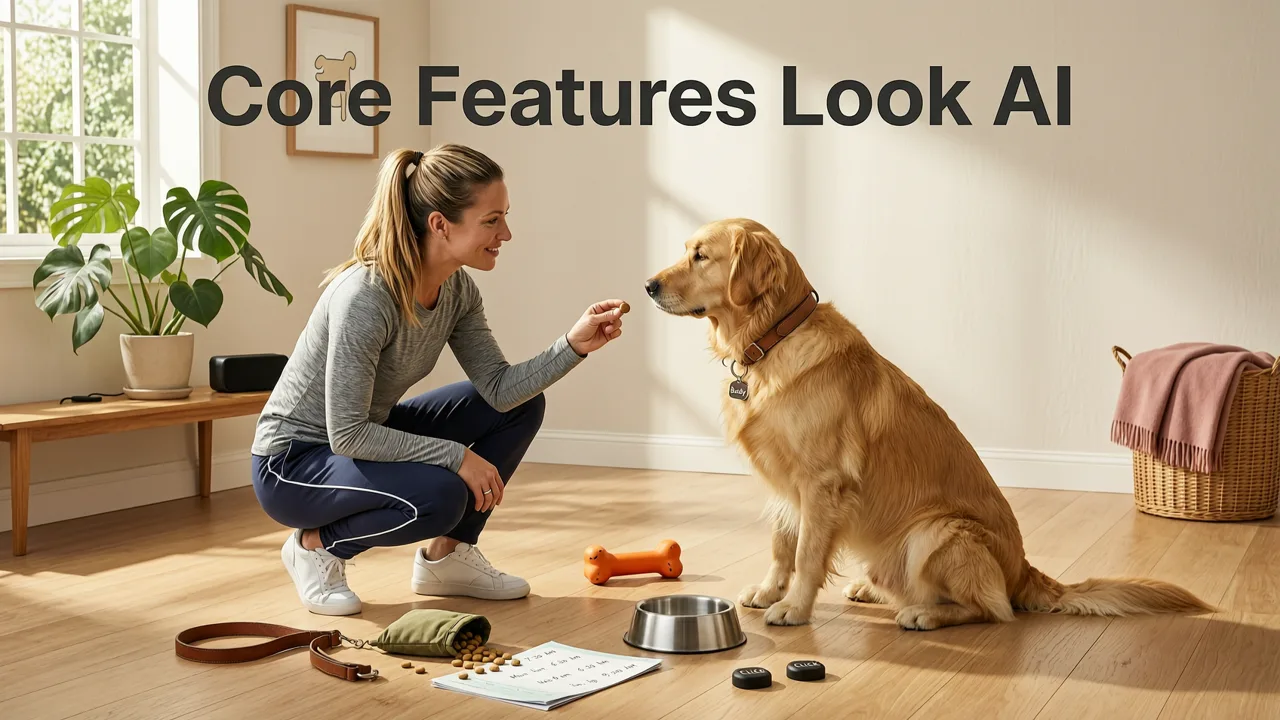
When evaluating pet tech solutions, it is crucial to look for features that demonstrate genuine technological advancement rather than superficial gimmicks. The leading applications share a core set of capabilities designed to deliver measurable results.
Real-Time Bark and Emotion Decoding
The cornerstone of any top-tier application is its ability to translate canine vocalizations in real time. High-quality audio processing algorithms analyze the pitch, duration, and frequency of barks, whines, and growls. This vocal layer is then cross-referenced with vast datasets of canine communication to output a clear emotional translation. Understanding whether a vocalization indicates playfulness, distress, or a warning allows owners to respond with precision.
Breed-Specific Personalized Training Sessions
A generic training plan is rarely effective for long. A Border Collie requires vastly different mental stimulation and training pacing compared to a Bulldog. The most sophisticated platforms generate personalized training sessions based on the specific breed, age, and individual behavioral profile of the dog. These AI-guided plans adapt over time, scaling the difficulty and adjusting the techniques as the dog progresses, ensuring continuous engagement and learning.
Enrichment Games and Calming Audio
Training is only one aspect of canine care; mental enrichment is equally critical. Leading applications include interactive enrichment games designed to challenge the dog's cognitive abilities and prevent boredom-induced destructive behaviors. Additionally, integrated calming music and soundscapes are utilized to soothe pets during high-stress events, such as fireworks or veterinary visits, supporting overall mental wellbeing.
How AI Decodes Canine Communication in 2026
The accuracy of modern translation tools relies on a multi-layered analytical approach. Developers utilize advanced neural networks, similar to those detailed in OpenAI documentation, to process complex audio and visual data streams. This dual-layer analysis is what separates professional-grade tools from basic novelty applications.
The Vocal Layer: Analyzing Pitch, Duration, and Frequency
Canine vocalizations are incredibly complex. A single bark can vary in meaning based on subtle changes in its acoustic properties. The vocal layer of the AI breaks down audio inputs into spectrograms, analyzing the fundamental frequency, harmonics, and temporal patterns. By mapping these acoustic features against a comprehensive database of breed-specific vocalizations, the system can distinguish between a demand for food, a greeting, or an expression of pain.
The Visual Layer: Reading Posture and Micro-Expressions
Audio alone only tells half the story. Dogs communicate heavily through body language. Advanced applications incorporate visual analysis to read posture, tail carriage, ear positioning, and even facial micro-expressions. When a dog's vocal output is combined with their physical stance, the AI achieves a highly accurate read on their emotional state. For a deeper dive into how these algorithms process acoustic data, you can explore the technical breakdown in our guide on the dog barking sound analyzer.
Privacy and Responsible AI Implementation
As with any technology that processes audio and visual data from within the home, privacy is a paramount concern. Reputable developers adhere to strict data protection standards, aligning with frameworks outlined in Google AI guidance on responsible development. Data is processed securely, often on-device or through encrypted channels, ensuring that sensitive household information remains private while still delivering high-accuracy behavioral insights.
Standard Training Apps vs. AI-Powered Solutions
To understand the value proposition of AI-driven platforms, it is helpful to compare them directly with traditional digital training tools. The table below highlights the functional differences that define the modern pet tech landscape.
| Feature Category | Standard Obedience Apps | AI-Powered Training Apps |
|---|---|---|
| Primary Function | Video tutorials and step-by-step command guides | Real-time emotion decoding and adaptive behavioral plans |
| Customization Level | Static routines based on general age or size | Dynamic plans tailored to breed, temperament, and real-time progress |
| Emotional Insight | None; assumes behavioral context | High; detects anxiety, happiness, hunger, and stress triggers |
| Adaptability | Requires manual adjustment by the owner | Automatically adjusts difficulty and techniques based on AI feedback |
| Mental Enrichment | Limited to physical exercise suggestions | Includes cognitive games and calming audio integration |
As illustrated, the integration of artificial intelligence transforms the application from a passive reference library into an active, responsive training partner. This shift is what defines the best AI dog translator app experiences available today, providing a level of interactivity that static guides simply cannot match.
Building a Stronger Bond Through Data-Driven Insights
The ultimate goal of utilizing advanced pet technology is to deepen the bond between human and animal. Miscommunication is a leading cause of frustration in dog ownership, often resulting in surrendered pets or strained relationships. When owners can accurately interpret their dog's needs and emotional states, trust is established on both sides.
AI-guided training plans remove the guesswork from behavior modification. Instead of punishing a dog for an behavior that stems from fear or confusion, the owner is equipped with desensitization techniques and positive reinforcement strategies tailored to that specific trigger. This evidence-based approach not only yields faster results but also ensures that the training process is enjoyable and rewarding for the dog.
Maximizing Your Dog’s Mental Wellbeing
Physical exercise is a well-known requirement for canine health, but mental stimulation is equally vital. A bored dog is often a destructive dog. The inclusion of enrichment games within top-tier applications addresses this critical need. These games challenge the dog's problem-solving skills, keeping their mind active and engaged, particularly during times when physical exercise is limited due to weather or owner schedules.
Furthermore, the integration of calming audio provides a non-invasive method for managing environmental stress. By playing specialized soundscapes designed to lower heart rates and reduce cortisol levels, owners can create a sanctuary for their pets within the home. This comprehensive approach to mental wellbeing ensures that the dog is not just obedient, but genuinely content and psychologically balanced.
Conclusion: Upgrading Your Approach to Canine Care
The integration of artificial intelligence into pet care represents a significant leap forward in how we understand and interact with our canine companions. Finding the best ai dog training app 2026 requires looking for a platform that combines real-time bark decoding, breed-specific training plans, and comprehensive mental enrichment tools. By moving beyond basic obedience and embracing emotional intelligence, dog owners can resolve behavioral issues more effectively and build a deeper, more intuitive bond with their pets.
If you are ready to transform the way you communicate with your dog and provide them with the personalized care they deserve, it is time to explore the capabilities of modern AI translation. Download the Dog Bark Translator today to experience real-time emotion detection, adaptive training sessions, and enrichment tools designed to support your dog's happiness and wellbeing across every stage of their life.
Frequently Asked Questions
How does an AI dog training app understand my dog's barks?
AI dog training apps use advanced machine learning algorithms to analyze the pitch, duration, and frequency of vocalizations. By breaking down audio inputs into spectrograms and cross-referencing them with extensive databases of breed-specific sounds, the system can accurately translate barks, whines, and growls into distinct emotional states like happiness, anxiety, or hunger.
Can AI-generated training plans adapt to my dog's specific breed?
Yes, leading AI platforms generate highly personalized training sessions based on the dog's specific breed, age, and individual behavioral profile. Because different breeds have varying energy levels, instincts, and learning paces, the AI adapts the difficulty and techniques of the training plan over time to ensure continuous engagement and effective learning.
Is my dog's audio and video data kept private by these apps?
Reputable AI pet tech applications prioritize user privacy and adhere to strict data protection standards. Audio and visual data is typically processed securely, often utilizing on-device processing or encrypted channels, ensuring that sensitive household information remains private while still delivering accurate behavioral insights.
What is the difference between a standard obedience app and an AI training app?
Standard obedience apps generally provide static video tutorials and basic command guides. In contrast, AI training apps offer real-time emotion decoding, dynamic and adaptive training plans, and integrated mental enrichment tools. They analyze the root causes of behavior rather than just addressing the surface-level symptoms.
Related Articles


Explore more practical dog care and communication guides.
View all articles