Dog Body Language Meanings: A Complete 2026 Guide
Discover accurate dog body language meanings and learn to decode your pet's emotions. Understand barks, posture, and stress signs with AI insights.

Understanding Dog Body Language Meanings in 2026
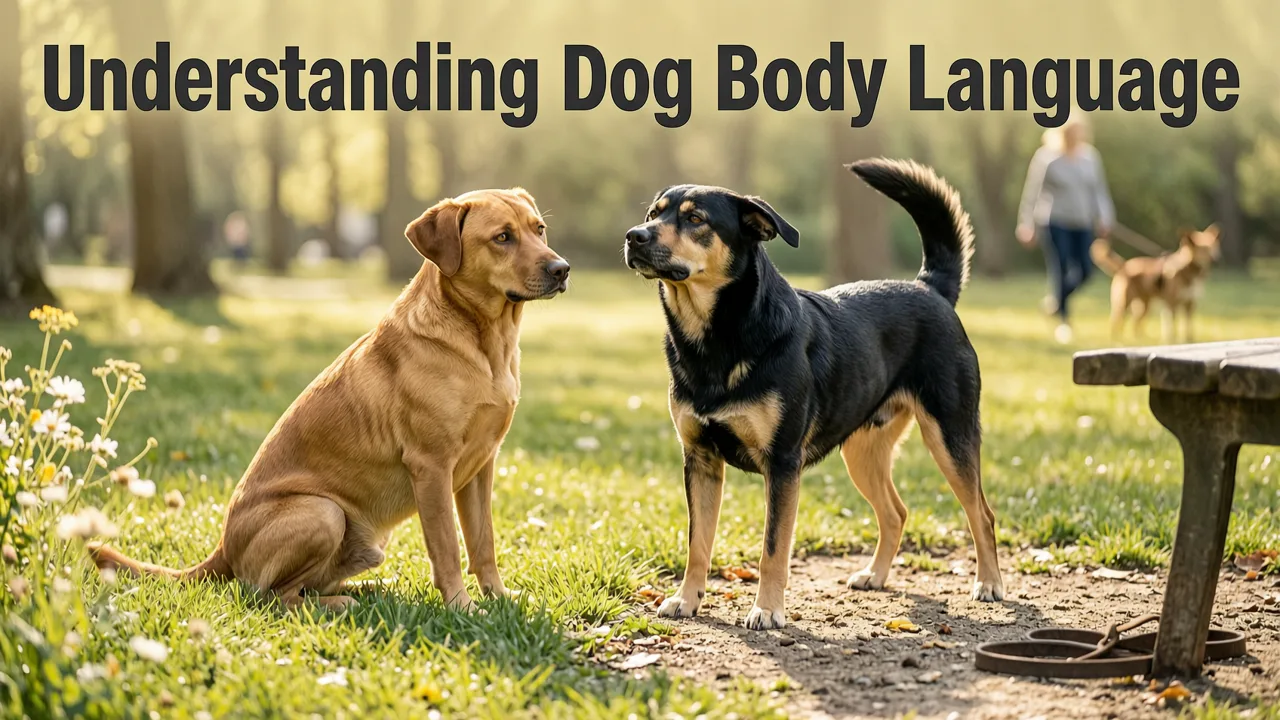
Understanding dog body language meanings is the foundation of a strong, trusting relationship between humans and their canine companions. Dogs do not rely on spoken words to communicate; instead, they utilize a complex, multimodal system of physical postures, facial expressions, tail movements, and ear positions to convey their emotional state. In 2026, combining traditional observational skills with advanced AI-assisted tools provides unprecedented clarity into pet emotional states, allowing owners to respond to their dog's needs with precision and empathy.
Dog body language meanings encompass the full spectrum of non-verbal cues that indicate whether a dog is relaxed, playful, anxious, or fearful. Misinterpreting these signals can lead to behavioral issues, increased stress for the animal, and potential safety risks. By learning to read these physical cues accurately, dog owners can proactively address discomfort, reinforce positive behaviors, and build a deeper bond with their pets.
The Shift Toward AI-Assisted Canine Communication
Historically, interpreting canine behavior relied entirely on human observation and the guidance of professional trainers. Today, the integration of machine learning and computer vision has transformed how we analyze pet behavior. Modern algorithms process vast datasets of canine movements and vocalizations, identifying subtle patterns that the human eye might miss. As outlined in technical documentation from leading AI research platforms, multimodal models can now correlate visual posture data with audio frequencies to create a comprehensive profile of a dog's immediate emotional state.
This technological evolution does not replace human intuition but rather enhances it. By providing real-time, data-backed insights, AI tools help owners recognize early indicators of stress or excitement, enabling timely interventions that promote better mental wellbeing for the dog.
Core Dog Body Language Meanings: Ears, Tail, and Posture
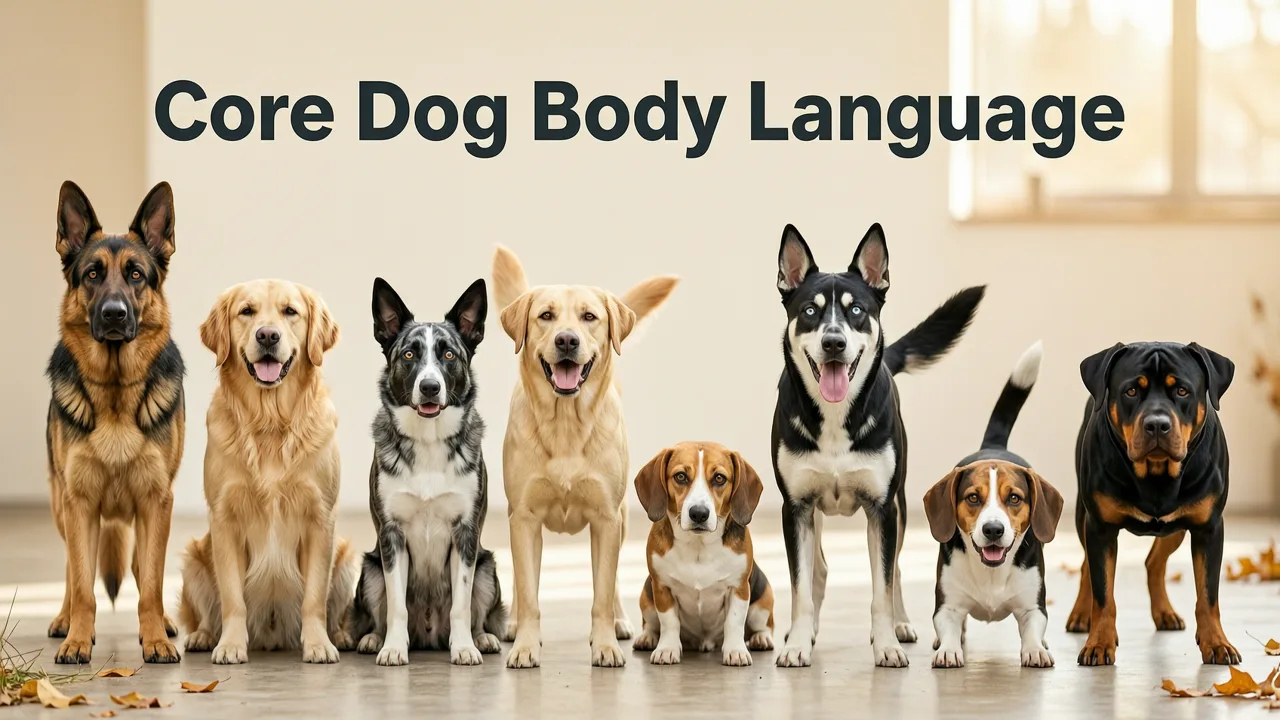
To accurately decode what a dog is experiencing, it is essential to look at the entire body rather than focusing on a single isolated signal. A wagging tail, for instance, does not automatically mean a dog is happy; it simply indicates arousal or excitement, which could be positive or negative. Evaluating the ears, tail, eyes, and overall posture together provides a complete picture of the dog's intent.
Decoding Tail Movements and Positions
The tail is one of the most visible indicators of a dog's emotional state, but its position and movement style carry the most significant meaning.
- High and stiff: A tail held high and rigid, often with a slight quiver at the tip, typically indicates high arousal, alertness, or potential aggression. The dog is focused and assessing a threat or target.
- Neutral and relaxed: A tail resting in its natural breed-specific position (whether curled, straight, or sabre-like) with a loose, sweeping wag indicates a calm, content, and approachable dog.
- Low or tucked: A tail lowered close to the body or tucked between the hind legs is a clear sign of fear, submission, or anxiety. The dog is attempting to make itself appear smaller to avoid conflict.
- Direction of the wag: Behavioral studies suggest that a wag biased to the right side of the dog's body is associated with positive emotions and approach behavior, while a left-biased wag is linked to negative emotions and withdrawal.
Ear Positions and Facial Expressions
A dog's ears and face provide critical context for their emotional state, particularly regarding their level of comfort and attention.
- Ears forward: Indicates active interest, curiosity, or alertness. The dog is focusing on a specific stimulus.
- Ears pinned back: When ears are flattened against the head, it usually signals fear, stress, or submission. In some contexts, it can also indicate friendliness when combined with a relaxed, wiggly body.
- Soft eyes vs. hard stare: Relaxed, soft eyes with normal blinking indicate comfort. A hard, unblinking stare with visible tension around the muzzle is a warning sign of potential aggression or high stress.
- Whale eye: When a dog turns its head slightly away but keeps its eyes fixed on a target, exposing the whites of the eyes (the sclera), it is a strong indicator of anxiety or discomfort. The dog is monitoring a perceived threat while attempting to avoid direct confrontation.
Full-Body Posture and Movement
The way a dog distributes its weight and moves through space reveals its underlying intentions.
- Play bow: With the front elbows on the ground and the hindquarters raised, this is a universal invitation to play. It signals that any subsequent nipping or chasing is meant in fun, not aggression.
- Freezing: A dog that suddenly stops moving and becomes rigid is processing a high-stress situation. Freezing is often a precursor to a fight-or-flight response and should be respected by giving the dog space.
- Leaning away: If a dog shifts its weight backward or leans away from a person or another animal, it is communicating a desire for distance and is likely uncomfortable.
- Rolling over: While often misinterpreted as an invitation for a belly rub, exposing the belly is frequently an appeasement gesture. The dog is showing vulnerability to de-escalate a perceived threat.
Integrating Vocalizations with Physical Cues
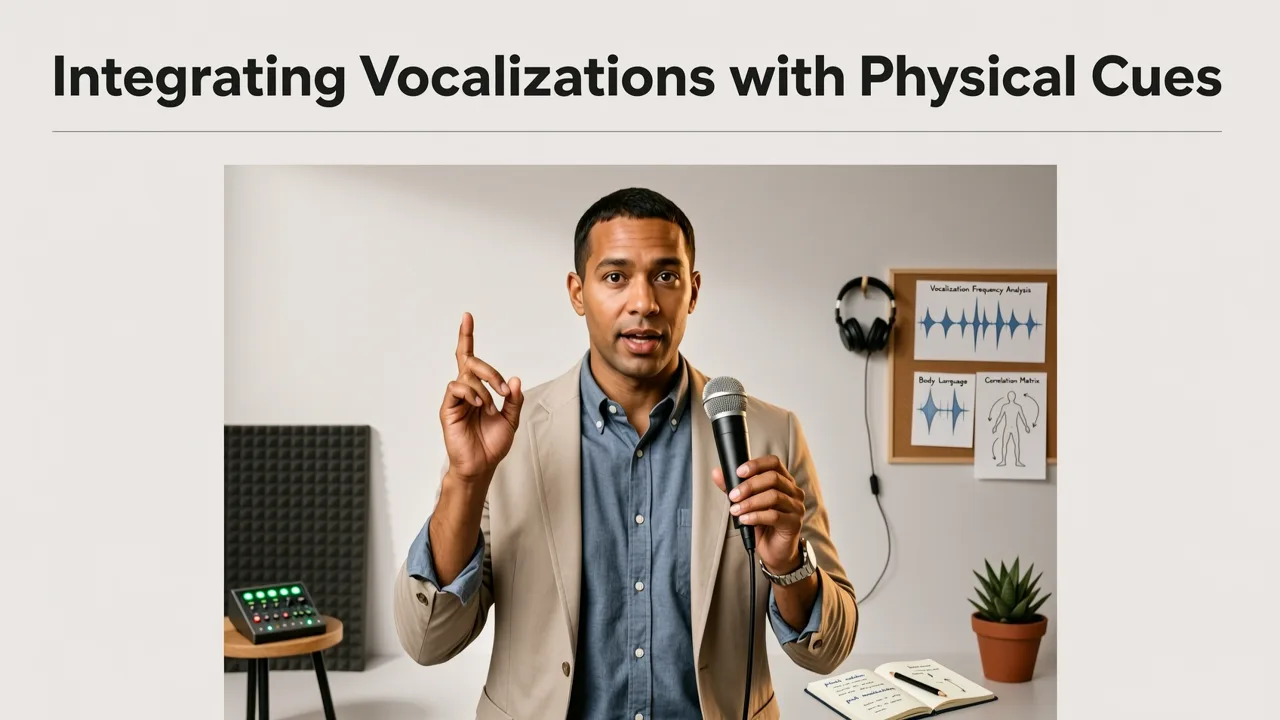
Body language does not exist in a vacuum; it is almost always accompanied by vocalizations. A low growl paired with a stiff posture and a hard stare carries a very different meaning than a low grumble paired with a play bow and a relaxed body.
When analyzing vocalizations alongside physical posture, tools like a dog barking sound analyzer can help correlate specific audio frequencies with emotional states. For example, sharp, high-pitched barks combined with a forward-leaning posture usually indicate excitement or a demand for attention, whereas low, continuous growls combined with a frozen posture signal a clear warning to back away.
Recognizing Stress and Anxiety Signals
One of the most critical aspects of understanding canine communication is recognizing subtle stress signals. Dogs rarely escalate to aggression without first displaying calming signals—behaviors intended to de-escalate tension and communicate peaceful intent.
Common calming signals include:
- Lip licking or nose licking when no food is present
- Yawning outside of a tired context
- Looking away or turning the head
- Sniffing the ground intensely
- Shaking off as if wet, despite being dry
If a dog displays these signals in a veterinary clinic, during a thunderstorm, or when meeting a new person, they are communicating that they are overwhelmed. Ignoring these cues and forcing interaction can lead to a bite as a last resort. For continuous monitoring of these subtle stress signals, a dog anxiety detection app can track behavioral patterns over time, helping owners identify specific triggers that cause their pet distress.
Quick Reference Table: Dog Body Language Meanings
To simplify the process of reading your dog's cues, the following table maps common physical signals to their typical emotional meanings and the recommended human response.
| Physical Cue | Typical Emotional State | Recommended Response |
|---|---|---|
| Play bow, loose wag, soft eyes | Playful, happy, relaxed | Engage in play, offer a toy, or initiate training. |
| Stiff body, high tail, hard stare | Alert, aroused, potentially aggressive | Stop moving, avoid eye contact, and give the dog space. |
| Tucked tail, pinned ears, lip licking | Fearful, anxious, stressed | Remove the stressor, do not force interaction, provide a safe space. |
| Leaning away, whale eye, yawning | Uncomfortable, seeking distance | Respect the boundary, stop petting or approaching. |
| Freezing, low growl, raised hackles | Highly stressed, defensive warning | Immediately cease the current action and slowly back away. |
How to Respond to Your Dog's Behavioral Cues
Recognizing dog body language meanings is only the first step; responding appropriately is what truly strengthens the human-animal bond. The golden rule of canine communication is to respect the dog's stated boundaries. If a dog indicates they need space through leaning away, yawning, or turning their head, the correct response is to immediately stop the interaction.
When a dog is exhibiting signs of fear or anxiety, punishment is never effective and will only increase their stress levels. Instead, focus on removing the dog from the triggering situation and rewarding calm behavior once they are relaxed. For structured guidance on modifying specific behaviors, a dog training app with AI can generate personalized behavioral modification plans based on your dog's specific breed traits and observed reactions.
As pet technology continues to advance, it is vital to ensure that digital tools are used ethically. Adhering to responsible AI guidelines ensures that technological interventions prioritize animal welfare, avoiding overstimulation and respecting the natural behavioral needs of the dog.
Conclusion
Mastering dog body language meanings transforms the way you interact with your pet, shifting the dynamic from guesswork to clear, empathetic communication. By paying close attention to tail positions, ear placements, facial expressions, and calming signals, you can proactively support your dog's emotional wellbeing and prevent behavioral issues before they escalate.
To take the guesswork out of daily communication, explore the Dog Translator app, available free on iOS and Android. With real-time decoding of barks, whines, and body language across 200+ breeds, you can understand your dog's emotions instantly and access AI-guided training sessions tailored to their unique behavioral profile.
Frequently Asked Questions
Does a wagging tail always mean a dog is happy?
No. A wagging tail simply indicates that a dog is aroused or emotionally stimulated. The meaning depends on the tail's position and the stiffness of the wag. A loose, sweeping wag at a neutral height usually means happiness, while a high, stiff, and rapid wag can indicate alertness, tension, or potential aggression.
What is 'whale eye' in dog body language?
'Whale eye' occurs when a dog turns its head slightly away from a subject but keeps its eyes fixed on it, exposing the whites of the eyes (the sclera). It is a strong indicator of anxiety, discomfort, or stress, showing that the dog is monitoring a perceived threat while trying to avoid direct confrontation.
How can I tell if my dog is stressed rather than just being stubborn?
Dogs display subtle 'calming signals' when stressed, such as lip licking, yawning when not tired, looking away, or sniffing the ground intensely. If a dog ignores a command while displaying these signals, they are likely overwhelmed or anxious, not stubborn. Forcing the interaction will only increase their stress.
Can AI apps accurately interpret dog body language and vocalizations?
Yes, modern AI applications use multimodal machine learning to analyze both visual cues (posture, ear position) and audio frequencies (barks, whines). By cross-referencing these data points against extensive behavioral datasets, AI tools can provide highly accurate, real-time translations of a dog's emotional state and intent.
Related Articles


Explore more practical dog care and communication guides.
View all articles