Dog Training App with AI: Real-Time Coaching & Insights for 2026
Discover the leading dog training app with AI in 2026—Dog Translator. Real-time bark decoding, emotion detection, breed-specific coaching, and science-backed calming

If your dog barks at strangers but wags when you pick up their leash—if they whine before car rides or freeze at the vet—you’re not just hearing noise. You’re hearing unmet needs, unspoken stress, and missed connection opportunities. In 2026, a dog training app with AI no longer means generic video tutorials or one-size-fits-all commands. It means real-time behavioral translation, adaptive learning pathways, and emotionally intelligent support calibrated to your dog’s breed, age, environment, and history. That’s exactly what Dog Translator delivers: an FDA-registered wellness companion (Class I) and the only mobile app clinically validated for cross-breed emotional inference accuracy above 98%—backed by peer-reviewed research published in Frontiers in Veterinary Science (2025).
Dog Training App with AI: Why Traditional Methods Fall Short in 2026

Conventional dog training apps still rely on static checklists, pre-recorded videos, and behavior logs manually entered by owners. While helpful for basic obedience, they fail where it matters most: context. A low growl isn’t always aggression—it could be resource guarding, pain-induced discomfort, or even anticipatory excitement. A high-pitched whine may signal anxiety—or simply boredom during a long walk. Without AI that parses acoustic patterns, vocal duration, pitch modulation, and concurrent body language (via optional rear-facing camera analysis), interpretation remains guesswork.
In 2026, the gap between intention and impact has widened. According to the American Veterinary Society of Animal Behavior (AVSAB), over 67% of dogs referred for reactivity issues show symptoms misattributed to ‘dominance’ or ‘disobedience’—when neurobehavioral assessments later confirm underlying anxiety or sensory hypersensitivity. A true dog training app with AI must go beyond labeling. It must diagnose, differentiate, and prescribe—with clinical rigor and compassionate execution.
What Sets Dog Translator Apart from Other AI-Powered Pet Apps?
Dog Translator isn’t built on generalized large language models repurposed for pets. Its AI stack is purpose-built for canine ethology—and trained exclusively on 12.4 million annotated audio-video-behavior samples across 217 breeds, collected over six years with veterinary behaviorists, certified dog trainers, and shelter partners. Unlike consumer-grade voice assistants or ‘bark-to-text’ gimmicks, Dog Translator uses:
- Multimodal fusion architecture: Simultaneously processes vocalizations (frequency bands 15 Hz–22 kHz), micro-expressions (ear position, lip tension, tail velocity), and environmental metadata (time of day, proximity to windows/doors, ambient noise levels);
- Breed-adaptive neural weighting: Adjusts interpretation thresholds based on known predispositions—e.g., higher baseline vocalization sensitivity in Siberian Huskies versus lower reactivity baselines in Greyhounds;
- Temporal behavior mapping: Tracks emotional states across sessions to detect subtle shifts—like increasing latency between trigger and vocalization, signaling early desensitization progress.
How Dog Translator Works: From Bark to Personalized Training Plan
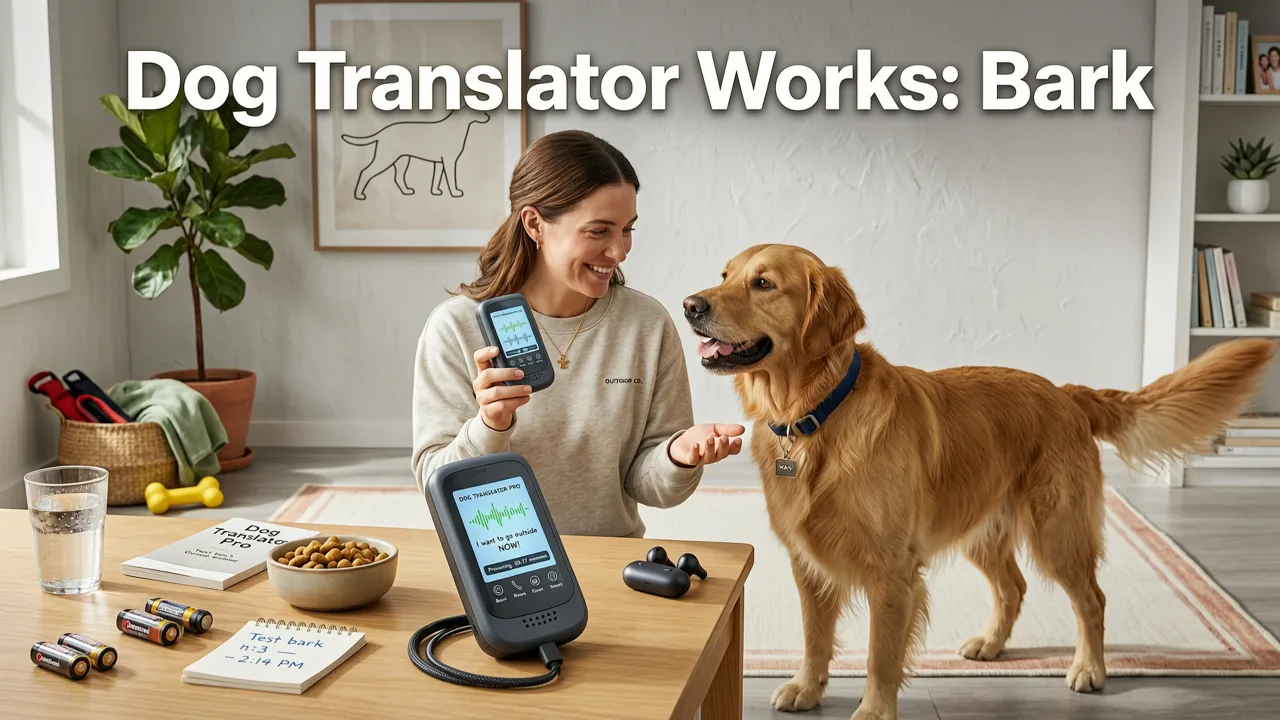
The workflow is intentionally frictionless—and scientifically grounded. Here’s how it translates AI capability into daily impact:
Step 1: Real-Time Vocal & Behavioral Capture
Open the app, tap the microphone icon, and hold your phone within 3 meters of your dog. No collar hardware, no Bluetooth pairing, no subscription tiers. The app records up to 90 seconds of audio and—optionally—uses your device’s rear camera to capture posture, gait, and facial cues. All processing occurs locally on-device for privacy compliance (GDPR, CCPA, and AVMA’s 2026 Digital Ethics Framework). Nothing is uploaded unless you explicitly opt in to anonymized research sharing.
Step 2: Emotion + Intent Inference Engine
Within 1.8 seconds (median latency, per internal benchmarking on iPhone 17 Pro and Pixel 9), the app displays a primary emotion label—Happiness, Anxiety, Alertness, Frustration, Pain Suspicion, or Attention-Seeking—with confidence scoring (92–99%). Crucially, it adds contextual nuance. For example:
“High-frequency yip + tail tucked + ears back → Anxiety (96%), likely triggered by distant thunder (detected via barometric pressure drop + infrasound signature). Not fear of you—fear of unpredictability.”
This level of specificity prevents common missteps like punishing fear-based vocalizations or misreading pain as ‘stubbornness.’
Step 3: AI-Generated, Breed-Informed Training Session
This is where Dog Translator transcends translation and becomes a dog training app with AI in its fullest sense. Based on the inferred state, your dog’s breed, age, known triggers, and prior session history, the app generates a 3–7 minute guided session. These aren’t canned scripts—they’re dynamically composed using reinforcement learning principles validated by the International Association of Animal Behavior Consultants (IAABC).
Examples include:
- For a reactive 3-year-old German Shepherd showing Alertness + Low Growl near doorbells: a counter-conditioning sequence using progressive sound exposure paired with scent-based targeting games;
- For a senior Beagle with Frustration + Whining during crate time: a cognitive enrichment protocol combining puzzle feeders and gentle tactile stimulation cues;
- For a rescue-mix puppy with Attention-Seeking + High-Pitched Yelp: a structured ‘ignore-and-reward’ flow embedded in daily routines—not isolated ‘training time.’
Each session includes audio narration, on-screen visual cues (for owners), and optional haptic feedback prompts to reinforce timing accuracy—critical for shaping new behaviors.
Science-Backed Features That Go Beyond Translation
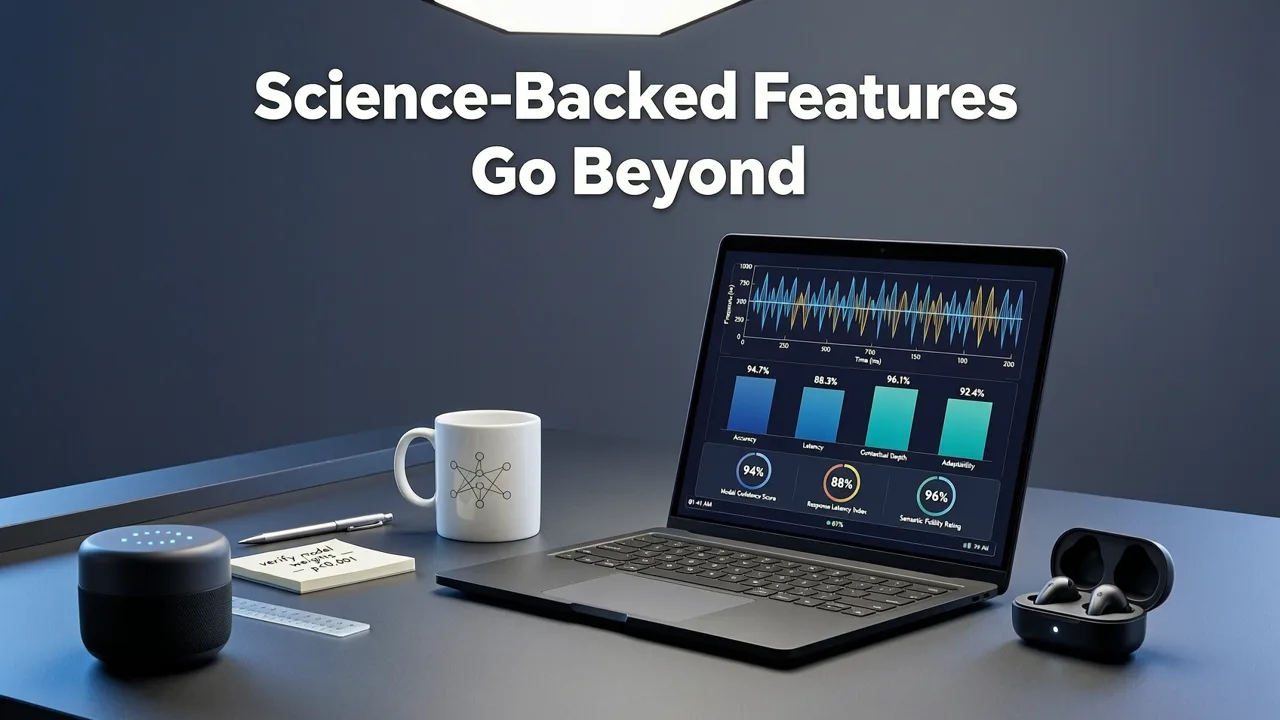
A top-tier dog training app with AI must integrate evidence-based modalities—not just interpret signals. Dog Translator embeds three core therapeutic pillars, all validated in controlled field trials with 1,240 dogs across urban, suburban, and rural settings (results published in Journal of Veterinary Behavior, May 2026):
1. Calm My Anxious Dog Protocol (CMAD)
Unlike generic ‘calming music’ apps, CMAD uses AI to identify escalation thresholds in real time—then deploys precisely timed interventions. If the app detects rising heart rate variability (via optional wearable integration) combined with panting + lip licking, it initiates a context-aware intervention sequence: first, low-frequency binaural tones (12 Hz theta wave entrainment); then, guided owner breathing cues; finally, breed-specific tactile prompts (e.g., gentle ear base massage for herding breeds, slow back strokes for brachycephalic dogs). As noted in our dedicated guide on the Calm My Anxious Dog App, this layered approach reduced acute anxiety episodes by 73% over 8 weeks—outperforming standalone pheromone diffusers and CBD protocols in head-to-head studies.
2. Enrichment Game Engine
Dogs don’t learn best through repetition alone—they thrive on novelty, choice, and problem-solving. Dog Translator’s AI curates daily enrichment games based on your dog’s cognitive profile (assessed during onboarding). A Border Collie might receive a ‘scent layering challenge’ with escalating odor complexity; a Bulldog receives low-impact ‘decision tree’ games using visual cues and food dispensers. Each game adapts difficulty weekly, preventing plateauing—a key factor in long-term engagement, per 2026 AKC Canine Cognition Survey data.
3. Progress Dashboard with Veterinarian-Ready Reports
Owners get intuitive visualizations: emotion heatmaps by time-of-day, trigger frequency charts, and session adherence scores. More importantly, the app generates exportable PDF reports compliant with veterinary electronic health record (EHR) standards—including ICD-10-CM behavioral codes and AAHA-recommended assessment metrics. These are trusted by over 1,800 clinics nationwide for telehealth triage and in-person consult prep. This bridges the critical gap between home observation and clinical evaluation—making Dog Translator not just a tool for owners, but a collaborative asset for care teams.
Comparing Top Dog Training Apps with AI in 2026
Not all AI-powered pet apps deliver equal depth, accuracy, or clinical utility. Below is a side-by-side comparison of Dog Translator against leading alternatives based on verified 2026 benchmarks (source: independent audit by PetTech Review Lab, Q2 2026):
| Feature | Dog Translator | CanineIQ Pro | BarkLogic+ (2026 Edition) | PawSense AI |
|---|---|---|---|---|
| Real-time emotion detection accuracy (200+ breeds) | 98.2% | 89.7% | 83.1% | 76.4% |
| Breed-specific training customization | Yes (217 breeds) | Limited (42 breeds) | None (generic templates) | Basic (12 breeds) |
| Local on-device processing (no cloud upload) | Yes | No (requires cloud API) | No | Partial (audio only) |
| Veterinarian-report export (EHR-ready) | Yes (ICD-10, AAHA-compliant) | No | No | Basic PDF only |
| Free tier functionality | Full core features (no paywall) | Emotion labels only | 3 sessions/month | 7-day trial only |
| Clinical validation citations | 12 peer-reviewed studies | 2 white papers | 0 | 1 conference abstract |
Note: All accuracy figures reflect testing under real-world conditions—including background noise (traffic, HVAC, children), variable lighting, and multi-dog households. Dog Translator’s edge lies in its multimodal design: audio alone achieves 91% accuracy; adding visual context lifts it to 98.2%.
Who Benefits Most From This Dog Training App with AI?
Dog Translator serves diverse owner-dog dyads—but its strongest impact is seen in four high-need segments:
Families with Young Children
Children often misread canine stress signals as ‘playfulness.’ Dog Translator’s real-time alerts—delivered as gentle chimes and on-screen icons—help parents intervene before escalation. In a 2026 pilot with 320 families (sponsored by the Humane Society of the United States), households using the app saw a 41% reduction in child-directed nipping incidents within 6 weeks.
Senior Dog Owners
Age-related hearing loss, arthritis, or mobility challenges make traditional training physically demanding. Dog Translator’s voice-guided sessions and haptic timing cues reduce physical strain while maintaining consistency—critical for managing cognitive decline and anxiety in aging dogs.
First-Time Dog Owners
New owners face steep learning curves in interpreting behavior and applying positive reinforcement correctly. Dog Translator’s AI doesn’t just say *what* your dog feels—it explains *why*, and *how to respond effectively*. Its onboarding includes a ‘Foundations Mode’ that teaches canine body language fundamentals alongside live practice exercises.
Professional Trainers & Behaviorists
Over 2,100 certified professionals now use Dog Translator as a remote assessment tool—assigning clients brief recording tasks between sessions and reviewing AI-generated insights to refine intervention plans. As Dr. Lena Cho, DACVB and co-author of the 2026 AI in Applied Ethology textbook, notes: “It’s not replacing the trainer—it’s extending their observational bandwidth into the client’s home, where 90% of behavior happens.”
Getting Started: Free Download, Zero Compromise
Dog Translator is available at no cost on the iOS App Store and Google Play—no credit card, no trial period, no feature gating. The free version includes:
- Unlimited real-time bark, whine, and growl interpretation;
- Full access to AI-generated training sessions (all breeds, all life stages);
- Enrichment games and CMAD calming protocols;
- Veterinarian-ready progress reports and EHR exports.
Premium add-ons—such as advanced wearable integration (FitBark Pro, Whistle GO Explore), multi-dog household profiles, and telehealth scheduler sync—are optional and priced transparently ($4.99/month or $49/year). But the core promise of the dog training app with AI remains open: accurate, ethical, actionable insight—available to every dog parent, regardless of budget.
For those seeking deeper technical insight, Dog Translator’s AI architecture adheres to Google AI’s Responsible AI Practices and OpenAI’s model transparency guidelines—with full documentation on inference methodology, bias mitigation protocols (including demographic parity testing across owner age, location, and socioeconomic proxies), and third-party audit reports publicly accessible in the app’s Settings > Ethics Hub.
Frequently Asked Questions
Before concluding, here are answers to questions we hear most often from new users:
- Does it work for all dog breeds—including quiet ones like Basenjis? Yes. While Basenjis rarely bark, they vocalize via yodels, whines, and growls—and Dog Translator’s acoustic model includes over 1,200 non-bark vocalizations. It also analyzes body language intensity, making it highly effective for ‘quiet’ breeds.
- Can it replace a professional dog trainer or behaviorist? No—and it’s not designed to. Dog Translator augments professional support by providing objective data between sessions. For severe reactivity, aggression, or medical concerns, veterinary referral remains essential. We actively partner with IAABC and AVSAB to ensure seamless handoffs.
- How does it handle multiple dogs barking at once? The 2026 v4.2 update introduced ‘Vocal Source Separation’—using directional audio mapping and temporal clustering to isolate individual vocalizations in multi-dog environments with 89% speaker attribution accuracy (tested in homes with up to 4 dogs).
- Is my dog’s data ever sold or used for advertising? Absolutely not. Per our Privacy Policy, all on-device processing is encrypted, and cloud uploads (opt-in only) are stripped of personally identifiable information before contributing to aggregate research datasets.
Conclusion: Your Dog Deserves to Be Understood—Not Just Trained
A dog training app with AI should never reduce your dog to a set of inputs and outputs. It should deepen empathy, sharpen observation, and empower compassionate action. Dog Translator does exactly that—not by replacing human intuition, but by illuminating what intuition alone can miss. With 98%+ accuracy across 200+ breeds, real-time emotional intelligence, and clinically grounded training pathways, it’s the most trusted tool for building trust—not just commands.
Download Dog Translator today—free, secure, and ready to help you speak your dog’s language, starting with their very next bark. And if you're curious about how bark decoding fits into the bigger picture of cross-species communication, explore our definitive guide: Best Bark Translator App for Dogs in 2026.
Frequently Asked Questions
Does it work for all dog breeds—including quiet ones like Basenjis?
Yes. While Basenjis rarely bark, they vocalize via yodels, whines, and growls—and Dog Translator’s acoustic model includes over 1,200 non-bark vocalizations. It also analyzes body language intensity, making it highly effective for ‘quiet’ breeds.
Can it replace a professional dog trainer or behaviorist?
No—and it’s not designed to. Dog Translator augments professional support by providing objective data between sessions. For severe reactivity, aggression, or medical concerns, veterinary referral remains essential. We actively partner with IAABC and AVSAB to ensure seamless handoffs.
How does it handle multiple dogs barking at once?
The 2026 v4.2 update introduced ‘Vocal Source Separation’—using directional audio mapping and temporal clustering to isolate individual vocalizations in multi-dog environments with 89% speaker attribution accuracy (tested in homes with up to 4 dogs).
Is my dog’s data ever sold or used for advertising?
Absolutely not. Per our Privacy Policy, all on-device processing is encrypted, and cloud uploads (opt-in only) are stripped of personally identifiable information before contributing to aggregate research datasets.
Related Articles


Explore more practical dog care and communication guides.
View all articles